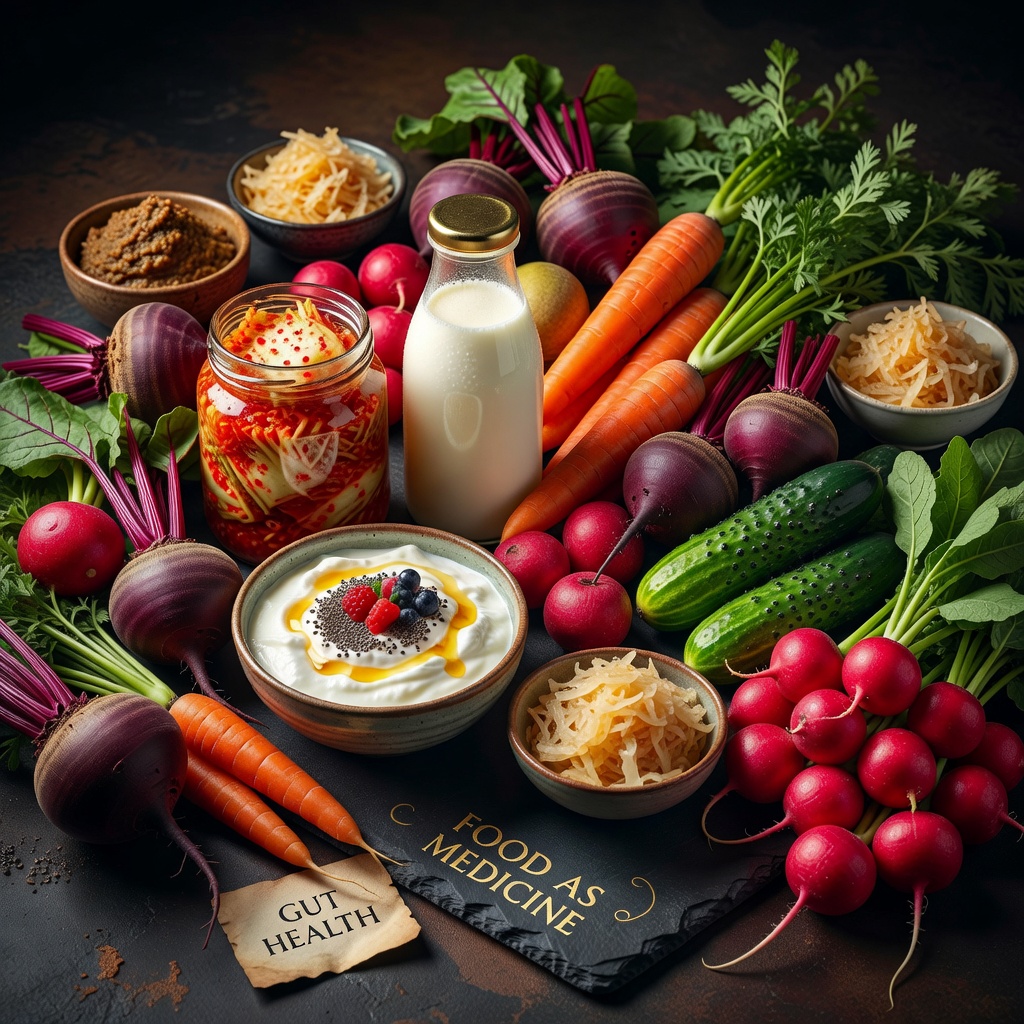
The Second Brain
The gut is not simply a tube that processes food. It is a complex, intelligent organ containing approximately 100 million neurons — more than the spinal cord — earning it the name the enteric nervous system, or second brain. It produces roughly 95% of the body's serotonin, 50% of its dopamine precursors, and communicates bidirectionally with the brain through the vagus nerve in ways that profoundly shape mood, cognition, stress response, and immune function.
The microbiome — the estimated 38 trillion microorganisms living primarily in the colon — is now understood as a distinct organ system, one that took decades of dismissal to be recognized for what it is: a master regulator of human biology.
What Your Microbiome Controls
The research of the last decade has implicated the gut microbiome in virtually every major system of the body:
- Immune function: Approximately 70% of the immune system resides in and around the gut. The microbiome trains, regulates, and modulates immune responses — distinguishing self from non-self, beneficial from harmful, inflammatory from tolerant.
- Mental health: Dr. David Perlmutter's work in Brain Maker documents the gut-brain axis in compelling detail. Gut dysbiosis (microbial imbalance) is consistently associated with anxiety, depression, and cognitive impairment. Specific bacterial strains influence neurotransmitter production directly.
- Metabolic health: The microbiome regulates how efficiently calories are extracted from food, how glucose is metabolized, and how fat is stored. Individuals with lower microbial diversity show higher rates of obesity, insulin resistance, and metabolic syndrome.
- Inflammation: Dysbiosis promotes gut permeability (often called leaky gut), allowing bacterial endotoxins to enter the bloodstream and trigger systemic low-grade inflammation — a driver of cardiovascular disease, autoimmunity, and accelerated aging.
- Hormonal regulation: The gut microbiome influences estrogen metabolism through the estrobolome — a collection of microbial genes that regulate estrogen recycling. Dysbiosis can contribute to estrogen dominance and hormonal imbalance.
The Modern Microbiome Crisis
The modern lifestyle is at war with microbial diversity. The average American gut now carries approximately 1,000 fewer bacterial species than hunter-gatherer populations studied by researchers. The primary culprits:
- Ultra-processed foods: Industrial emulsifiers (carboxymethylcellulose, polysorbate-80), preservatives, and artificial sweeteners all reduce microbial diversity and damage the gut lining
- Antibiotic overuse: A single course of broad-spectrum antibiotics can reduce gut diversity by 30–50%, with recovery taking months to years — and some strains never returning
- Chronic stress: Cortisol directly alters gut motility, reduces secretory IgA (the gut's immune defense), and shifts the microbiome toward inflammatory species
- Low dietary fiber: Gut bacteria subsist primarily on fermentable fiber. A low-fiber diet is a starvation diet for your microbiome
- Insufficient sleep: The microbiome has its own circadian rhythm. Disrupted sleep disturbs microbial balance and promotes intestinal permeability
The Microbiome Restoration Protocol
Step 1: Feed the Good Bacteria — Prebiotic Fiber
Dr. Will Bulsiewicz, gastroenterologist and author of Fiber Fueled, makes the research-backed case that plant diversity is the single most important predictor of microbiome richness. The data from the American Gut Project — one of the largest microbiome studies ever conducted — showed that people who eat 30+ different plant foods per week have dramatically more diverse microbiomes than those eating fewer than 10.
The practical goal: maximize the variety of plants you consume each week, not just the quantity. Count types, not servings. Rotate your vegetables, grains, legumes, nuts, seeds, herbs, and spices with intention.
Key prebiotic fibers that specifically feed beneficial bacteria: inulin (chicory root, Jerusalem artichoke, leeks), resistant starch (cooked and cooled potatoes and rice, green bananas), pectin (apples, citrus peel), beta-glucan (oats, barley, mushrooms).
Step 2: Introduce Beneficial Bacteria — Fermented Foods
The Stanford research published in Cell in 2021 demonstrated that a high-fermented food diet increased microbiome diversity and decreased inflammatory markers more effectively than a high-fiber diet alone. The practical implication: both matter, but fermented foods appear to be especially powerful for diversity restoration.
Daily fermented food targets: kefir, yogurt (live cultures, unsweetened), kimchi, sauerkraut, kombucha, miso, tempeh. Even small daily amounts drive measurable improvements in microbiome diversity over 10 weeks.
Step 3: Remove the Disruptors
Identifying and eliminating your personal gut disruptors is as important as adding beneficial inputs. Common culprits: gluten (for those with non-celiac gluten sensitivity), industrial seed oils, emulsifiers in processed foods, artificial sweeteners (especially sucralose and saccharin), excessive alcohol, and NSAIDs used regularly.
Step 4: Test, Don't Guess
Consumer microbiome testing has become accessible and actionable. Viome's RNA-based testing provides species-level analysis with personalized food and supplement recommendations. Biomesight offers population-comparison data and evidence-based intervention suggestions. Testing before and after a dietary intervention period provides objective feedback that is genuinely motivating and informative.
Probiotics: Useful but Overrated
Probiotic supplements are a multi-billion dollar industry with a genuinely mixed evidence base. The research suggests they are most useful in specific contexts: during and after antibiotic treatment, for specific diagnosed conditions (IBS, traveler's diarrhea), and as a short-term intervention during gut disruption. As a primary strategy for microbiome improvement in healthy adults, the evidence consistently shows that dietary fiber and fermented foods outperform supplemental probiotics. Food first.
The Gut-Brain Axis in Practice
The bidirectional communication between gut and brain has profound practical implications. If you are struggling with anxiety, low mood, brain fog, or poor stress resilience, investigating and addressing gut health is not alternative medicine — it is evidence-based medicine that most conventional practitioners haven't yet integrated into their practice. The gut-brain connection is one of the most exciting and rapidly developing frontiers in medicine, and the interventions that improve it are available to you today, without a prescription.
Your Next Chapter Starts Now
Ready to optimize your body and multiply your wealth? Take our diagnostic quiz to get your personalized growth roadmap.
Start Your Transformation